
Hair Repair Tips After Summer
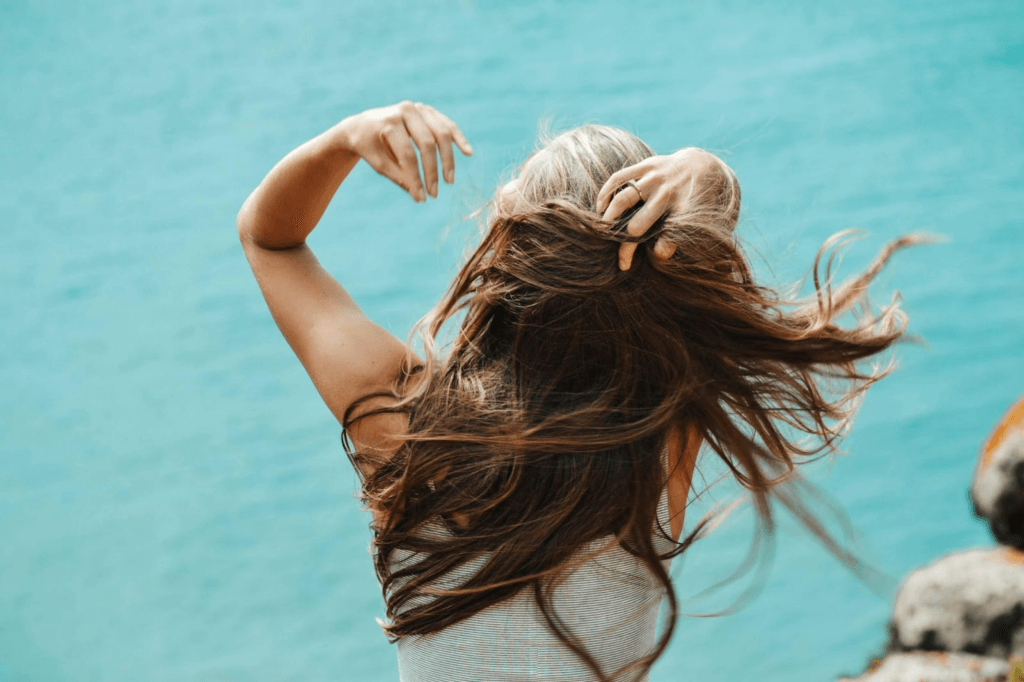
Summer sun feels great. Long days at the pool or beach can be refreshing, too. But once the season ends, many people notice their hair looks and feels different. UV rays, chlorine, saltwater, and sweat all leave their mark. Add frequent washing, keratin straightening, and exposure to hard water, and the result is familiar: dry ends, dull tone, and stubborn frizz.
This is why hair repair after summer matters. A seasonal reset helps restore balance by clearing away buildup, rehydrating strands, and reinforcing strength. With the right mix of hydration, scalp care, and protective habits, your hair can bounce back.
Throughout this guide, you’ll find practical steps you can use right away. We’ll cover how to check for damage, build a simple weekly routine, and adjust your approach for your hair type. You’ll also learn when a salon service makes the most sense.
Key Highlights
- Sun, chlorine, and saltwater often leave hair dry, frizzy, and faded, which makes hair repair after summer important for restoring balance.
- Clarifying or chelating shampoos help remove buildup so masks and treatments can deliver effective hair repair results.
- A balanced routine that alternates hydration with protein or bond treatments supports long-term hair post summer recovery.
- Regular trims remove split ends and give healthier strands a chance to retain moisture, speeding up hair repair after summer progress.
- Professional care at Theaology Salon and Day Spa enhances at-home hair repair routines with targeted treatments for stronger, shinier hair.
Identify the Signs of Summer Damage
Before you start any routine, it helps to know what you’re working with. Summer conditions often leave visible and physical signs that point to the need for hair repair after summer. A quick check can guide you toward the right products and treatments.
What to Look For
- Color changes: Hair may look faded, brassy, or flat. This is common when the sun and chlorine strip away pigments.
- Dry ends: Split ends and rough tips are a clear sign that the cuticle has lifted.
- Frizz and flyaways: Humidity and heat styling often leave strands uneven and prone to puffing up.
- Dull texture: Lack of shine shows that the cuticle isn’t lying flat.
These are the first cues that your strands need targeted hair repair.
What You Might Feel
Sometimes the damage is easier to feel than see. Run your fingers through your hair. Does it catch or tangle more than usual? Does it feel brittle when dry or squeaky when wet? If so, you’re dealing with weakened cuticles that require hair post summer care.
Quick At-Home Checks
Two easy tests can help confirm the level of damage:
- Elasticity test: Stretch a single strand gently. Healthy hair bounces back. If it breaks quickly, focus on hydration. If it stretches but stays limp, you may need protein or bond support in your hair repair after summer plan.
- Porosity test: Drop a clean strand into water. If it sinks fast, your hair has high porosity and needs sealing products. If it floats, porosity is lower, but hydration is still necessary for hair post summer recovery.
Don’t Forget the Scalp
A sunburned scalp, flakes along the part, or persistent tightness are signals that the skin needs attention too. Addressing scalp health early makes your overall hair repair routine more effective.
Start with a Clarifying Reset
After a long summer, product buildup, sunscreen residue, chlorine, and salt all cling to the hair. Regular shampoos often leave traces behind. That’s why the first step in hair repair after summer is a clarifying cleanse.
Why Clarifying Matters
Clarifying shampoos work deeper than daily cleansers. They break down layers of minerals, oils, and styling products. This reset allows moisture masks and treatments to penetrate more effectively. Without this step, even the best hair repair products may not perform as they should.
Clarifying vs. Chelating
There’s a difference between clarifying and chelating shampoos. Clarifying removes surface buildup like styling products and excess oil. Chelating shampoos go further. They target mineral deposits from hard water and chlorine.
If you’ve spent plenty of time in pools, a chelating formula may be a better start for hair post summer care.
How to Do It Right
Use a clarifying shampoo no more than once a week. For some, twice a month is enough. Always follow with a hydrating conditioner or mask to avoid dryness. Think of it as step one in a cycle: clear, then restore. That balance is the foundation of effective hair repair after summer.
When to Schedule It
Plan your clarifying wash before starting any new treatment cycle. It resets the hair so every following step (hydration, protein, or scalp care) works as intended. For anyone beginning a new hair post summer routine, this is where to begin.
Deep Hydration and Strength Building
Once your hair is free from residue, it’s time to focus on what it needs most: moisture and strength. Summer often leaves strands dehydrated and fragile, which is why this step is the backbone of hair repair after summer.
Why Both Matter
Hydration restores softness and flexibility. Strength treatments, often protein-based or bond-building, support the inner structure. Too much of one without the other creates problems.
If you only hydrate, hair may feel soft but weak. If you only strengthen, hair can feel stiff and brittle. The balance is what makes hair repair effective.
ALSO READ: Hair Smoothing Tips: Maintaining Your Hair After Treatment
How to Alternate Treatments
A good routine alternates between moisture and strength:
- Use a hydration mask once or twice a week. Look for ingredients like aloe, glycerin, or shea butter.
- Incorporate a protein or bond-building treatment every other week, or weekly if your hair is heavily processed.
- Watch how your strands respond. If hair feels rough and breaks easily, lean toward moisture. If it stretches and doesn’t bounce back, add strength.
This rotation ensures steady progress in your hair post summer recovery.
Avoiding Overload
It’s easy to overdo things. Too much protein can make hair stiff and prone to snapping. Too much moisture leaves it limp and lacking structure. The best way forward is to listen to your hair’s signals and keep treatments moderate. Think long-term consistency rather than quick fixes.
Example Routine
- Week 1: Hydration mask
- Week 2: Protein or bond treatment
- Week 3: Hydration mask
- Week 4: Repeat as needed
This simple rotation is a reliable approach for hair repair after summer and prevents the common mistake of relying on only one type of care.
Trim Away Summer’s Damage
Even with the best treatments, damaged ends rarely bounce back. Trimming them away is one of the fastest ways to see results from hair repair after summer. Removing split or frayed tips also prevents damage from spreading up the strand.
Why a Trim Helps
When hair is exposed to the sun, chlorine, and salt, the ends take the hardest hit. They dry out faster and lose their protective cuticle layer. Once the cuticle is gone, no product can truly seal it again. Cutting these weak sections allows healthier strands to stay intact, making every other hair repair step more effective.
Options That Work
- Micro-trim: Taking off just a quarter inch helps remove rough edges without sacrificing length.
- Dusting: A technique where only the split ends are snipped, often strand by strand.
- Full trim: If breakage is widespread, a slightly bigger cut gives your hair a stronger base for hair post summer recovery.
The Bigger Picture
Think of a trim as a reset button. It doesn’t replace masks, protein treatments, or scalp care, but it makes them work better. Healthy ends hold moisture longer, style more easily, and resist future breakage.
Adding a trim to your hair repair after summer routine speeds up visible progress and sets you up for healthier growth through the cooler months.
Refresh with Theaology Salon and Day Spa
Summer often leaves hair stressed. Dry ends, faded color, and stubborn frizz are common after months of sun, chlorine, and saltwater. That’s why hair repair after summer matters. A routine with clarifying washes, deep hydration, scalp care, and regular trims sets the foundation for healthier strands.
Consistency is what makes a difference. Small habits—like alternating treatments, sleeping on satin pillowcases, and keeping heat styling low—help maintain progress. Together, these steps support lasting hair repair so your hair feels softer, looks shinier, and styles more easily throughout the year.
Some situations call for professional care. Severe breakage, ongoing dryness, or color correction may benefit from expert attention.
At Theaology Salon and Day Spa, we offer treatments that complement your at-home routine, from bond-building services to restorative masks.
If your hair shows signs of stress, don’t wait. Learn more about our services and let us guide your hair post summer recovery.