
How to Prevent Frizzy Hair After Blow Drying
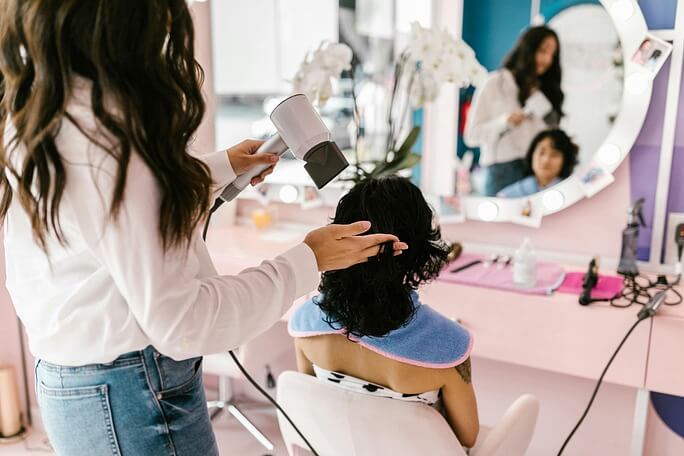
No one wants to spend time blow drying their hair, only to watch it puff up the moment they step outside. Frizz is one of the most common post-blowout frustrations, especially in humid climates where moisture clings to every strand.
Even with high-end tools and styling products, smooth finishes don’t always last. So how do you keep that sleek look intact?
Understanding how to prevent frizzy hair after blow drying is the first step. What you do before, during, and after your salon blowout matters—from the products you use in the shower to the way you sleep at night.
This guide takes a closer look at what really causes frizz and shares practical tips to help you maintain your style.
Key Takeaways
- Frizz starts before you blow dry. Use a sulfate-free shampoo and a hydrating conditioner, and avoid rough towel drying. A microfiber towel or cotton T-shirt is gentler on hair cuticles.
- Moisture balance is everything. Weekly deep conditioning and lightweight leave-in products help seal the hair cuticle and prevent frizz, especially in humid weather.
- Use the right tools the right way. An ionic or ceramic blow dryer with a nozzle attachment, a quality round brush, and a heat protectant spray can make or break your blowout.
- Technique matters. Work in sections, aim the nozzle downward, and use a cool shot to lock in your style. Keep the dryer moving to avoid damage and frizz.
- Aftercare is just as important. Don’t overload your hair with product. Avoid touching it too soon, and protect your blowout overnight with a silk pillowcase or wrap.
Why Frizz Happens After a Blowout
Frizz usually starts at the cuticle—the outer layer of your hair strand. When this layer is raised, moisture from the air seeps in and causes the strands to swell. That’s why freshly styled hair can quickly lose its shape, especially when exposed to high humidity.
One of the biggest causes of frizz after a blowout is a lack of moisture balance. If your hair is too dry or heat-damaged, it becomes more porous. That means it absorbs water from the air faster, making it harder to control. Understanding this is key when learning how to prevent frizzy hair after blow drying.
Another common culprit is technique. Using the wrong brush, skipping heat protectant, or blow drying against your hair’s natural grain can lift the cuticle instead of sealing it down. This leaves your hair exposed and far more vulnerable to frizz.
Environmental conditions don’t help either. In humid places, especially during warmer months, frizz becomes a daily battle. Many people turn to products or styling tricks to beat humidity, but if your hair’s not prepped properly, those quick fixes won’t go far. That’s why it’s important to know how to prevent frizz when blow drying, right from the start.
How to Prevent Frizzy Hair After Blow Drying: Start in the Shower
A smooth blowout begins before you reach for the dryer. If you want to know how to prevent frizzy hair after blow drying, you need to start with your wash routine.
1. Use the Right Shampoo and Conditioner
Avoid harsh, stripping shampoos. These can dry out your hair and leave it prone to breakage and frizz. Instead, look for sulfate-free products with smoothing or hydrating ingredients. These help your hair retain moisture without weighing it down.
Conditioners matter just as much. A rich, nourishing conditioner helps soften the hair cuticle, making it easier to seal during blow drying. For those dealing with thick or curly textures, leave-in conditioners or pre-styling masks can add an extra layer of frizz protection.
2. Weekly Deep Conditioning Can Help
One of the most overlooked steps in learning how to prevent frizz when blow drying is consistent deep conditioning. Once a week, apply a moisture-rich treatment or mask to give your strands the hydration they need. This extra care smooths the cuticle and makes it easier to fight off humidity later.
3. Avoid Heavy Silicones
While silicones can make hair feel smooth at first, some create buildup over time. That buildup can block moisture and make your hair feel brittle. If you’re trying to maintain a long-lasting style or figure out how to maintain a blowout, it’s worth checking your product labels and opting for lightweight alternatives.
4. Set the Tone for Humidity Control
Clean, conditioned hair is more likely to respond well to heat styling. It also helps reduce the chance of swelling in humid weather. If you’ve ever looked at your before and after humidity hair photos and wondered what went wrong, it probably started here.
5. Detangle Gently While Hair Is Wet
After rinsing out your conditioner, use a wide-tooth comb or a detangling brush while your hair is still damp. This minimizes breakage and helps distribute product evenly. Pulling or tugging can cause small cracks in the cuticle, which leads to frizz once your hair dries.
It’s a small change, but it plays a big role when learning how to prevent frizzy hair after blow drying.
6. Apply a Lightweight Leave-In Before You Towel Off
A leave-in conditioner or anti-frizz serum applied while your hair is still wet helps lock in moisture. This forms the first layer of protection before you even start drying. Look for formulas designed to help beat humidity or labeled for smoothing and frizz control.
For styles like the high top blowout, this is also a great time to add root-lifting or volumizing products without making your hair stiff.
7. Use Lukewarm, Not Hot Water
Hot water can strip away your scalp’s natural oils and increase porosity, leaving your strands more vulnerable. Lukewarm water gets the job done without drying you out.
Keeping your hair balanced from the start makes it easier to style, and easier to understand how to prevent frizz when blow drying.
Towel-Drying Techniques That Matter
Your towel-drying method can make or break your blowout. If you’re wondering how to prevent frizzy hair after blow drying, it’s time to take a closer look at what happens right after you step out of the shower.
Regular Towels Cause Friction
Most people instinctively reach for a regular bath towel to dry their hair. But terry cloth towels are rough on the cuticle. They create friction, which lifts the hair’s outer layer and leads to frizz, especially once you start using heat.
To avoid this, skip the heavy rubbing. Instead, gently blot or squeeze out excess water. Patting your hair with a towel instead of twisting or wringing it goes a long way when figuring out how to prevent frizz when blow drying.
Switch to Microfiber or Cotton Tees
If you’re serious about learning how to beat humidity, swap your standard towel for a microfiber version or even a soft cotton T-shirt. These fabrics are smoother, less absorbent of your hair’s natural oils, and reduce static.
This one swap can make a visible difference especially when comparing your before and after humidity hair photos. Hair looks smoother, softer, and more manageable even before the blow dryer comes out.
Don’t Let Hair Sit Wet for Too Long
Letting hair sit wrapped in a towel for extended periods can weaken strands. It also allows the hair cuticle to stay swollen with water, which increases the chance of frizz during styling. Aim to start blow drying while your hair is still damp, not dripping, for better control.
If you’re going for a high top blowout, prepping the top layers with care at this stage helps you maintain shape and volume later.
How to Prevent Frizz When Blow Drying: Tools and Products
Your styling tools and products play a huge role in determining the outcome of your blowout. If you’re trying to learn how to prevent frizz when blow drying, it’s not enough to rely on heat alone. You’ll need the right tools and the right prep to lock in smoothness and help your style last.
1. Choose the Right Blow Dryer
A high-quality dryer can make all the difference. Look for models with ionic or ceramic technology. Ionic dryers help break down water molecules faster and reduce static, while ceramic ones distribute heat more evenly to prevent over-drying. Both are helpful if your goal is to prevent frizzy hair after blow drying.
Using a nozzle attachment is just as important. This focuses the airflow and helps keep the cuticle flat as you dry. Without it, you’re more likely to rough up the hair, which leads to frizz.
2. Use Heat Protectants Every Time
Skipping heat protectant is one of the most common mistakes. A good heat protectant forms a barrier between your hair and high temperatures, reducing moisture loss and breakage. Many formulas also include anti-frizz ingredients, which makes them a must for anyone who wants to know how to beat humidity.
Apply it evenly from mid-length to ends before using any hot tools.
3. Round Brushes Matter, Too
Using a ceramic or boar bristle round brush helps smooth each section as you dry. Ceramic brushes heat up slightly to aid in shaping, while boar bristles grip the hair and encourage shine. Choose the size based on your hair length and your desired finish, especially if you’re styling a high top blowout.
To get sleek, frizz-free results, always pull the brush downward in the direction of hair growth. This motion helps close the cuticle and makes it easier to maintain a blowout later on.
4. Anti-Frizz Serums and Styling Creams
After towel drying, apply a lightweight smoothing serum or cream. These products help manage flyaways, protect from humidity, and give hair a polished look. If your hair tends to fall flat or get greasy quickly, go easy on the amount.
This layer also helps with before and after humidity hair consistency. When done right, you’ll see less puffiness and fewer flyaways as the day goes on.
5. Avoid Product Overload
Layering too many products can weigh down your hair and affect the blowout’s hold. Too much can also block airflow, leaving you with uneven or damp sections, both of which can cause frizz.
If you’re learning how to prevent frizz when blow drying, the goal should be balance. You want protection, smoothness, and hold without buildup.
Step-by-Step Blow Drying Tips for Smoother Results
Once your hair is prepped and products are in place, the blow drying technique becomes critical. Many people unknowingly cause frizz during this stage, even with the best tools and products.
Learning how to prevent frizzy hair after blow drying is all about controlling heat, direction, and timing.
Step 1: Work in Sections
Divide your hair into four to six sections, depending on thickness. Clipping each section allows for more precision and ensures that heat is evenly distributed. This also helps you focus on smaller areas, making it easier to create a smooth finish from root to tip.
If you’re doing a high top blowout, start with the lower layers and save the crown for last. This gives you more control over shape and volume.
Step 2: Aim the Nozzle Downward
Always angle the dryer so the airflow moves from roots to ends. This smooths the cuticle and locks in shine. A common mistake is blow drying in all directions, which disrupts the hair shaft and creates frizz.
If you’re trying to figure out how to prevent frizz when blow drying, keep this in mind: every stroke should be purposeful, with the nozzle moving downward alongside the brush.
Step 3: Keep the Dryer Moving
Holding the dryer too long in one place can lead to hot spots and damage. Glide the dryer steadily and match your hand and brush movements. Don’t rush, but don’t linger, either.
Even heat application is key when aiming to maintain a blowout and avoid heat-triggered frizz.
Step 4: Finish With a Cool Shot
Once each section is dry and styled, hit it with a blast of cool air. This seals the cuticle and helps set your style in place. Cool air also reduces heat-related swelling, which makes your hair more resistant to moisture throughout the day.
It’s one of the simplest tricks when learning how to beat humidity and it works, especially when paired with anti-humidity spray.
Step 5: Avoid Touching Immediately After
Hair takes a moment to “settle” after heat styling. Running your fingers through it too soon can disrupt the structure and lead to frizz. Let it cool, then gently adjust or style as needed.
This is especially important if you’re tracking your before and after humidity hair days. Letting the blowout set properly makes all the difference.
Be Consistent To Get The Best Results
A smooth, frizz-free blowout isn’t just about the final five minutes in front of the mirror. It starts in the shower, continues through towel drying, and depends on the tools, products, and techniques you use along the way. Understanding how to prevent frizzy hair after blow drying comes down to consistency—before, during, and after styling.
At Theology Salon and Day Spa, we understand the challenges of keeping your hair sleek in Florida’s climate. Our stylists don’t just style your hair; they help you learn how to maintain a blowout and how to beat humidity without overloading your routine.
Ready for a frizz-free finish that actually lasts? Explore our services at Theology Salon and Day Spa and book your next appointment with our expert team.